Digging Advancement: Revolutionizing Ontario's Construction Industry
Lately, the province of Ontario's construction landscape has seen a significant transformation, driven by advancements in excavation techniques and technologies. Excavation contractors within the province are at the forefront of this evolution, employing innovative methods to address the specific challenges posed by Ontario's diverse geography and climate. From dealing with the complexities of frost line depths to adhering to stringent safety regulations, these contractors play a pivotal role in ensuring that construction projects are executed without issues.
As the demand for both residential and commercial construction continues to rise, understanding the intricacies of excavation becomes vital for property developers and homeowners alike. With a wide range of factors affecting excavation costs, safety measures, and site preparation, it is necessary to have a thorough guide to navigate this critical aspect of construction. This article explores the essential elements of excavation work in Ontario, covering everything from trenching safety protocols to the best practices for handling challenging soil conditions. Whether you are preparing for a new home build or managing a commercial project, this comprehensive overview will provide you with the knowledge you need to embark on your excavation journey with confidence.
Crucial Excavation Standards for Ontario
When initiating an excavation project in Ontario, understanding the local frost line depths is vital. This information plays a key role in foundation excavation, providing stability and longevity for structures. The frost line can differ across the province, shaped by climate and geography, so contractors must know the specific depths relevant to their project location. Proper adherence to these guidelines helps avoid foundation issues and potential damage during freeze-thaw cycles.
Before any digging begins, it is crucial to utilize Ontario One Call services. This organization protects excavation projects by making certain that contractors are aware of and respect all underground utilities. By getting in touch with Ontario One Call, contractors can receive vital information about existing gas, electric, water, and sewer lines, reducing the risk of accidents and project delays. This preventative approach not only protects workers but also avoids expensive damages that could arise from hitting buried infrastructure.
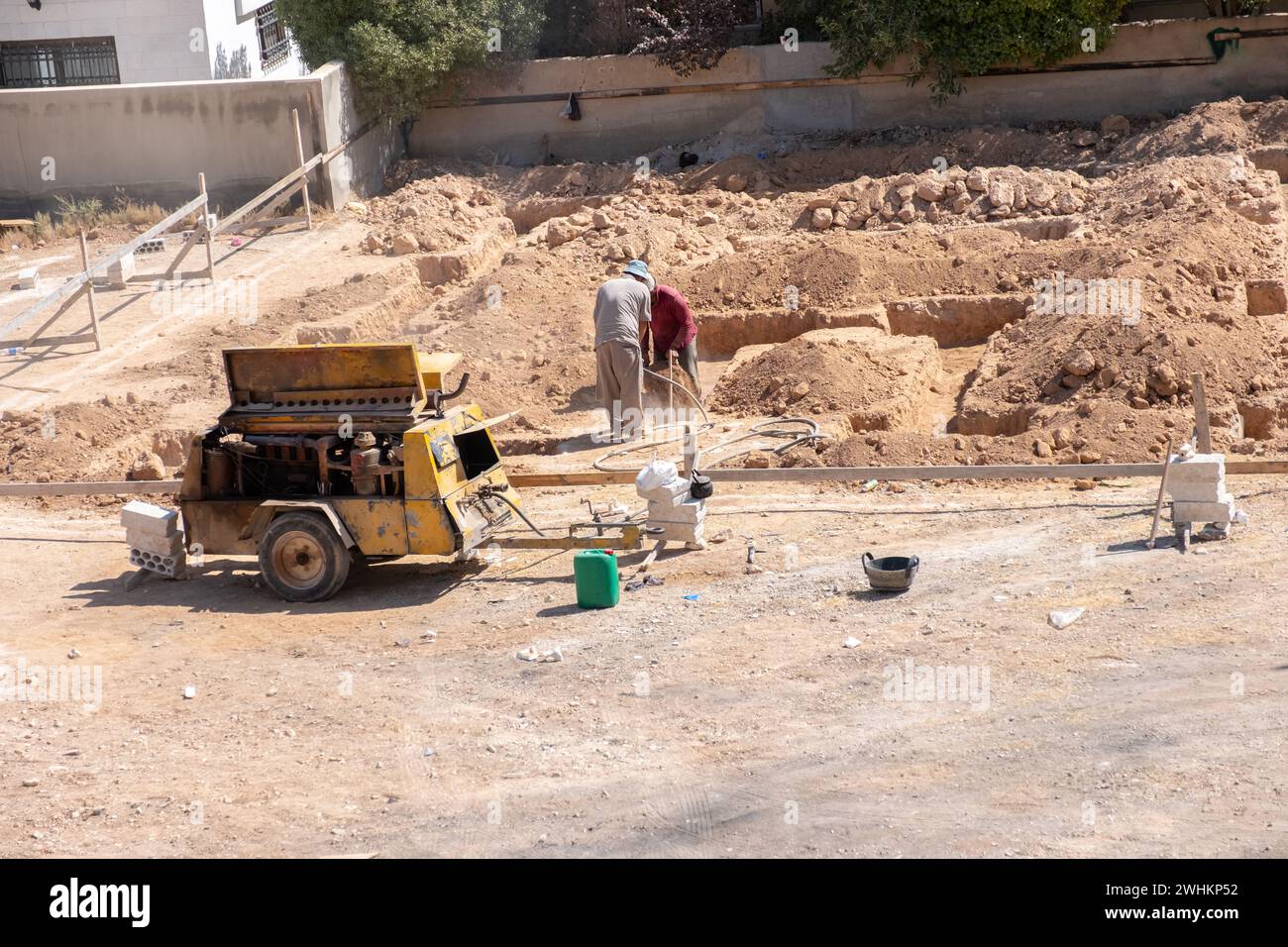
Site preparation is a further essential aspect of effective excavation projects. A thorough checklist must be in place, addressing factors like land clearing, soil testing, and compliance with local regulations. Contractors should consider the unique challenges posed by Ontario's varying soil types, including heavy clay in the Greater Toronto Area, and employ adequate techniques for effective site preparation. This careful planning simplifies the excavation process and lays the foundation for a successful build, minimizing complications down the line.
Safety Standards and Best Practices
As carrying out excavation projects in Ontario, complying with safety regulations is paramount. The Ontario Ministry of Labour sets forth specific criteria that contractors must adhere to to guarantee the safety of workers and the public. These encompass the use of proper personal protective equipment (PPE), utilizing fall protection systems, and confirming that all equipment is frequently inspected and maintained. Additionally, conducting risk assessments and site safety plans prior to starting work must be a norm to identify potential hazards and create mitigation strategies.
Excavation safety additionally involves the adequate management of utilities and underground services. Before initiating any digging, contractors are obligated to contact Ontario One Call to locate and mark any buried infrastructure. This step not only protects workers from potential accidents but also reduces the risk of costly damages that can arise from striking utility lines. Furthermore, the use of hydro excavation is being adopted more widely as a safer method for exposing buried utilities, reducing the risk of damage and ensuring compliance with safety standards.
Finally, implementing best practices for site management is crucial during excavation activities. This comprises maintaining clear access routes, proper signage for safety awareness, and establishing communication protocols among team members. Regular safety meetings should be held to discuss ongoing concerns and keep safety at the forefront. By fostering a culture of safety and compliance, Ontario excavation contractors can not only adhere to legal requirements but also enhance the overall efficiency and success of their projects.
Financial Elements and Groundwork Understanding
When preparing an earthmoving project in the province of Ontario, grasping the primary aspects that affect pricing is important. Excavation Services of ground, site access, and operation dimensions all have important factors in establishing the total budget. Thick earth substrates, frequent in the Toronto region, require specialized treatment and tools, which can boost workforce and vehicle rental charges. Moreover, if the site shows challenges such as tight approach or the need for shoring and reinforcement, contractors may be required to utilize further advanced techniques, driving up expenses.
Adequate site setup is essential for successful excavation and the long-term integrity of any building. A comprehensive site preparation list can assist home builders confirm they include essential steps, such as soil compression evaluation to verify base stability before laying footings. This process not only supports in obtaining a solid foundation but also lessens future issues, including significant foundation cracking and drainage problems. Working with experienced excavation contractors experienced in local regulations can greatly ease conformity and efficient site management.
Finally, the oversight of extra soil and sediment oversight is a important aspect of site readiness in Ontario. Following the Regulations on Excess Soil Management (O. Reg. 406/19) and also following provincial environmental authority standards will confirm that the excavation operation proceeds smoothly and safely. Proper grading and drainage approaches, along with preserving tree protection zones, can significantly boost site stability and contribute to successful project completion, eventually transforming Ontario’s construction environment.